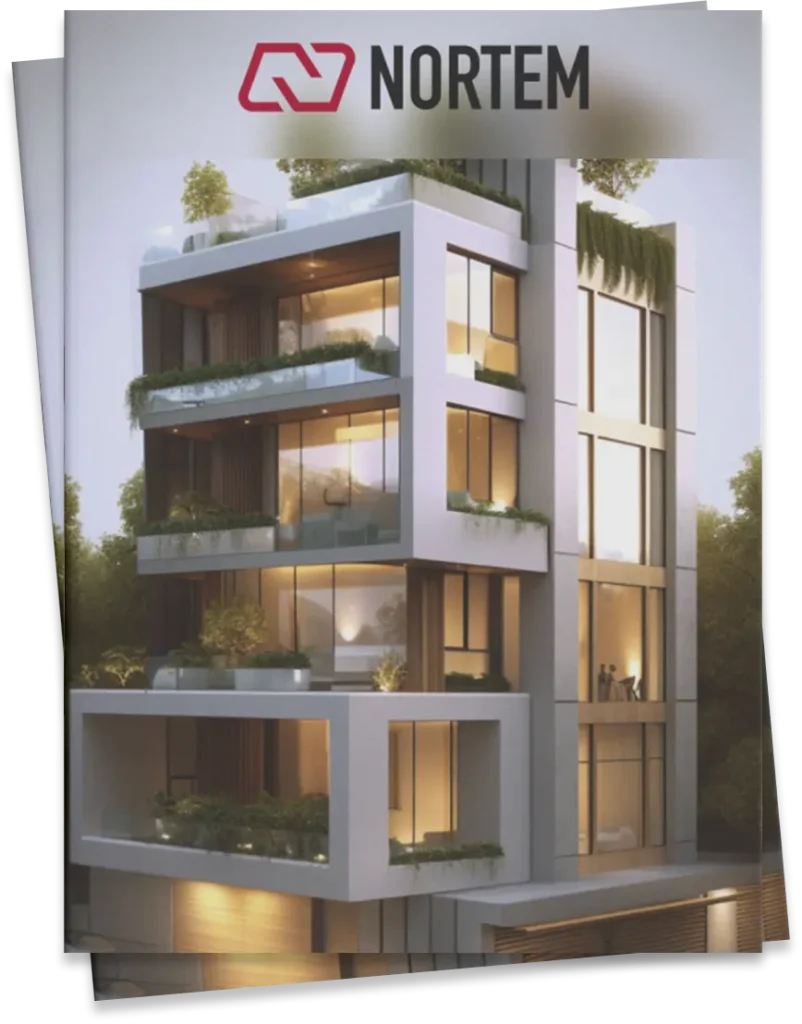
Every property owner wants a building that looks stunning and requires zero weekend maintenance. Whether you are looking to renovate an aging home or finishing a new commercial project, the choice of your building envelope is the most important decision you will make.
The frustration of peeling paint, wood rot, and rising energy bills often stems from poor material choice. If you have spent years patching up old siding only to see it fail after a single Canadian winter, it is time for a more permanent solution. Modern exterior wall cladding offers a sophisticated, high-performance finish that protects your structure while significantly increasing its market value.
In this guide, we will break down the most common exterior materials used in Canada today, from classic brick to modern metal to show you which offers the best return on investment for your property.
Understanding the Role of an Exterior Wall Panel in Modern Architecture
An exterior wall panel is more than just a decorative skin. It is a functional component of a rainscreen system designed to manage moisture, provide thermal insulation, and resist physical impact. In many parts of Canada, buildings face extreme temperature swings that cause materials to expand and contract.
High-quality outdoor wall panels are engineered to handle these stresses without cracking or warping. By choosing a premium system, you are investing in the long-term health of your building, reducing the need for frequent repairs and stabilizing indoor temperatures.
Comparing Traditional Siding vs. Modern Exterior Wall Cladding
When planning a renovation, it is helpful to understand how traditional materials compare to modern engineered systems.
Vinyl Siding: The Low-Cost Traditional Option
Vinyl remains the most common siding material in North America due to its low entry price ($2–$7 per sq. ft. installed).
- Pros: Highly affordable, never needs painting, and resists moisture and pests.
- Cons: It can become brittle and crack during extreme Ontario winters. It is also susceptible to melting if exposed to high heat (such as a nearby BBQ) and has a lower impact resistance against hail or debris.
Brick and Stone Cladding: Timeless but Labor-Intensive
Brick and stone offer a “permanent” look with excellent fire resistance and thermal mass.
- Pros: Exceptional lifespan (75+ years), high resale value, and superior soundproofing.
- Cons: High upfront cost ($15–$40+ per sq. ft.). The weight requires a robust structural foundation and skilled masonry labor, which can extend project timelines.
Wood Siding: Natural Beauty vs. High Maintenance
Real wood provides a warm, organic aesthetic that many homeowners love.
- Pros: High aesthetic appeal, easy to repair individual boards, and environmentally friendly if sustainably sourced.
- Cons: In the Canadian climate, wood is susceptible to rot, moisture damage, and UV fading. It requires consistent staining or painting every 3–5 years to prevent structural failure.
Fiber Cement Siding: The Middle Ground
A mix of wood fiber, sand, and cement, this material is designed to mimic wood or masonry.
- Pros: Non-combustible (Class A fire rating), rot-resistant, and more durable than vinyl.
- Cons: It is heavy and brittle, meaning installation requires specialized tools and professional expertise. It must be kept painted to prevent moisture absorption over time.
High-Performance Metal and Composite Wall Panels
The shift toward metal cladding is driven by the need for longevity and a “clean” architectural aesthetic.

Aluminum Composite Panels (ACP) for a Sleek Finish
Aluminum Composite Panels consist of two thin aluminum sheets bonded to a core.
-
Technical Advantage: They offer incredible flatness and can be fabricated into complex curves or sharp angles. They are the material of choice for “modern box” residential designs and commercial facades.
Durable Aluminum Plate Systems and Pure Aluminum Siding
Aluminum systems are widely considered the ultimate exterior cladding solution for those prioritizing longevity and structural integrity. While they represent a more significant upfront investment and are generally more expensive than synthetic alternatives, their performance in the Canadian climate is unmatched.
For maximum impact resistance, Aluminum Plates provide a solid 3mm or 4mm metal thickness. Unlike vinyl, aluminum does not become brittle in the cold, making it nearly impervious to cracks. For those seeking a classic look, Nortclad Aluminum Siding offers a premium, dent-resistant alternative that maintains the architectural profile of traditional planks without the maintenance burden.
Insulated Metal Panels (IMP) for Superior Thermal Efficiency
Insulated Metal Panels feature a rigid foam core sandwiched between metal faces. Most common for commercial building panels.
-
Energy Performance: They provide high R-values (R-7 to R-8 per inch), effectively creating a “thermal break” that stops heat from escaping through the wall studs, significantly lowering utility bills in winter.
You learn more about IMP: The Ultimate Guide to Insulated Metal Panels
Innovative Wood Alternatives for Outdoor Wall Panels
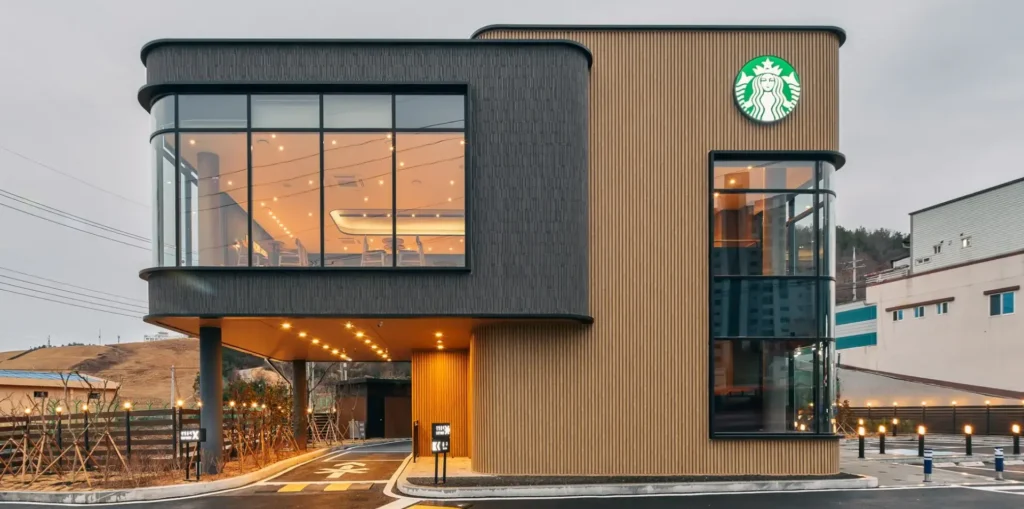
Modern technology allows for the look of wood with the durability of engineered materials.
Wood-Polymer Composites (WPC)
Composite panels like Nortwood WPC Louvers use a blend of recycled wood fibers and polymers.
-
Performance: They are 100% moisture-proof and do not require oiling or staining. They are ideal for high-moisture areas or as decorative accents that won’t fade under heavy UV exposure.
Fluted Aluminum Panels
For a more architectural look, Fluted Aluminum Panels create deep vertical shadows. These are popular for entryways and focal walls, offering a contemporary texture that real wood cannot maintain without significant upkeep.
Industrial and Minimalist Aesthetics: Concrete Exterior Wall Panels
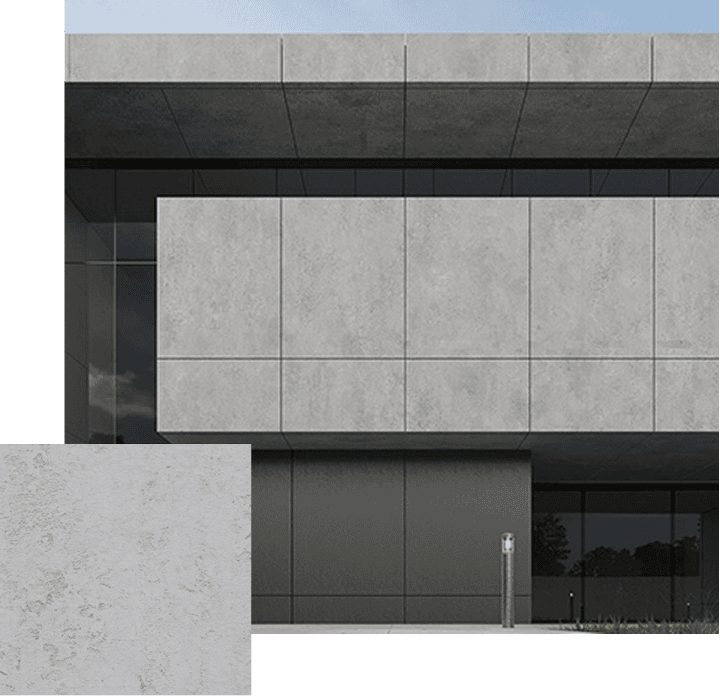
Concrete Panels provide a raw, minimalist texture often seen in luxury modern homes. Unlike poured concrete, these panels are designed for ventilated rainscreen systems, allowing the building to “breathe” while providing a fireproof and highly durable shield.
Critical Factors for Choosing Durable Exterior Wall Panels in Canada
-
Freeze-Thaw Durability: Ensure the material does not absorb water. When water gets into porous materials (like some stones or untreated wood) and freezes, it expands and causes “spalling” or cracking.
-
Rainscreen Capability: Modern wall panels should be installed with a gap behind them. This “ventilated rainscreen” prevents mold by allowing moisture to evaporate.
-
Fire Safety: Check the non-combustibility of the material, especially if building close to a property line. Metal and concrete panels offer the best protection.
-
Life Cycle Cost: While vinyl is cheaper today, a metal or composite system that lasts 40+ years without maintenance is often the more economical choice in the long run.
Why Professional Fabrication and Installation Matter
The performance of any exterior wall cladding system depends heavily on the quality of the installation. A poorly installed panel can lead to water being trapped against the building’s sheathing.
At Nortem, we provide a complete solution from design and precision fabrication to professional installation with 500+ residential and commercial projects in Toronto and Ontario. Our team ensures that every panel is calculated for local wind loads and thermal expansion, giving your building a flawless, durable finish that lasts for decades.
If you are ready to evaluate which material is right for your project, contact the experts at Nortem for a technical consultation today.