In the evolving landscape of modern architecture, the facade is more than just a protective shell; it is a profound statement of design, sustainability, and institutional longevity. The exterior envelope serves as the primary point of contact for the observer, dictating the building’s character and its dialogue with the surrounding environment. When evaluating high-performance cladding for projects in demanding climates like Toronto and across Ontario, two contenders typically lead the professional discourse: Aluminum Composite Material (ACM) Panels and Wood Composite Panels.
Both materials offer distinct structural advantages. However, selecting the appropriate specification or designing a strategic hybrid of both requires a sophisticated understanding of their technical properties, aesthetic impact, and lifecycle performance. In this comprehensive guide, we explore the nuances of these materials and why a synergistic application often yields the highest architectural value.
Key Differences Between ACM and Wood Composite Panels
Understanding the core composition of these materials is the initial step in making an informed decision that balances capital investment with decades of maintenance-free performance.
1. Composition, Engineering, and Structural Load
- ACM Panels: These are advanced sandwich panels consisting of two thin layers of architectural-grade aluminum bonded to a core material. At Nortem, our Aluminum Composite Panels utilize either a polyethylene (PE) or a fire-rated mineral core. This construction creates a remarkable strength-to-weight ratio; the panels remain exceptionally rigid and perfectly flat even in large-format modules, which prevents the “oil-canning” or distortion often seen in lower-grade metal sheets.
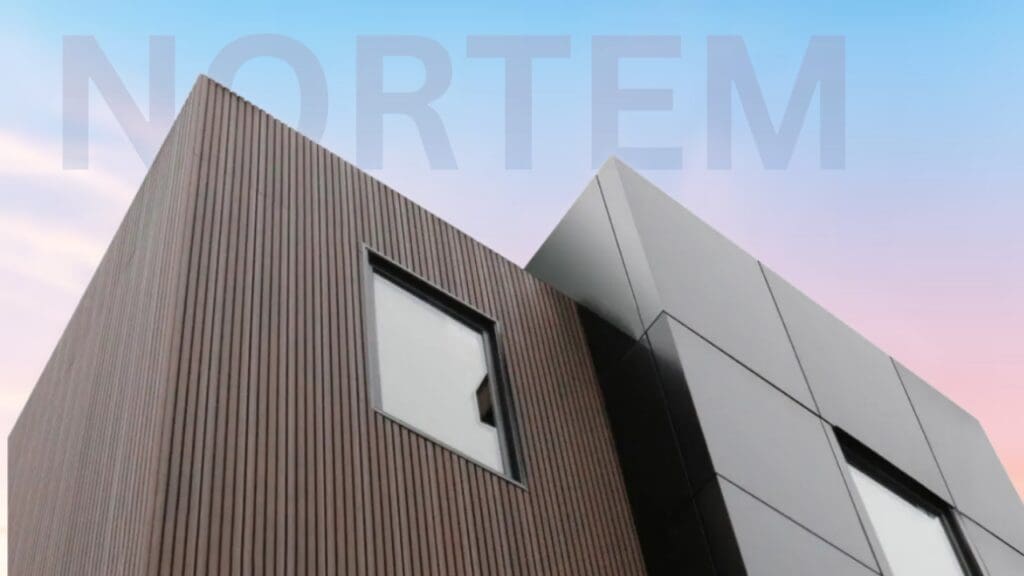
- Wood Composite Panels: These represent the next generation of timber-alternative solutions. Typically manufactured from a high-density blend of recycled wood fibers and advanced polymer resins, products such as the Nortwood Fluted Panel are engineered to replicate the organic variance of natural timber. Unlike raw lumber, the composite matrix is uniform: it lacks knots, splits, or structural weak points, and is far less prone to the warping or expansion cycles that plague natural wood in Ontario’s fluctuating temperatures.
2. Durability and Lifecycle Maintenance
- The “Set and Forget” Factor: ACM is virtually impervious to the biological threats that compromise other materials. It does not rust, rot, or harbor mold. The PVDF or FEVE coatings applied at our facility are designed to resist UV degradation and urban pollutants for 20 to 30 years with minimal intervention beyond occasional cleaning.
- Advanced Moisture Management: While traditional wood absorbs water, leading to decay and insect infestation, Nortwood’s polymer-encapsulated fibers are inherently moisture-resistant. This makes them ideal for the humid summers and snowy winters of the Greater Toronto Area, where salt spray and freeze-thaw cycles would otherwise necessitate annual staining and sealing.
3. Fire Performance and Ontario Building Code Compliance
Fire safety is a non-negotiable pillar of modern engineering.
- ACM: High-rise and commercial applications in Ontario typically require ACM panels with a fire-retardant (FR) or non-combustible (A2) core. These systems are tested rigorously against NFPA 285 and CAN/ULC-S134 standards to ensure they do not facilitate flame spread across a building’s exterior.
- Wood Composite: While more combustible than metal, premium wood composites are treated with fire-retardant additives. They often achieve a Class B fire rating, making them a preferred choice for many residential applications and low-rise commercial projects where an organic aesthetic is required without compromising safety protocols.
Lear more about: Commercial Exterior Panels and Cladding
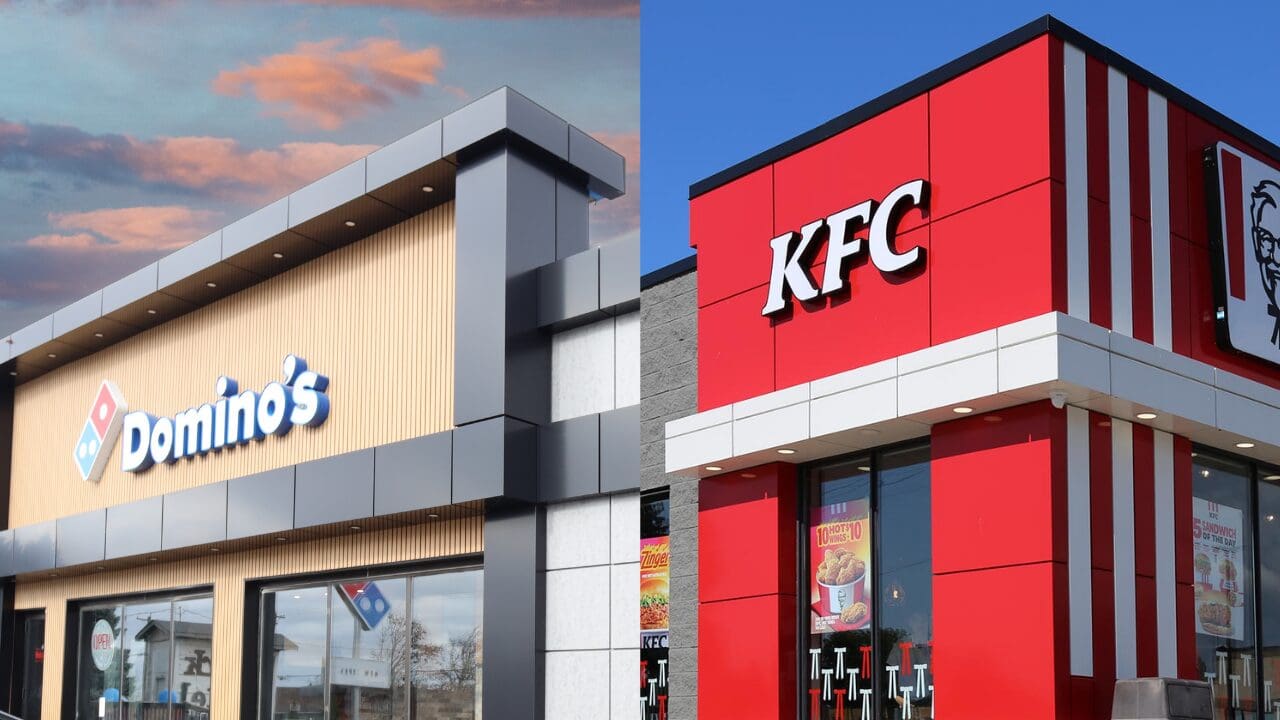
Applications for ACM Panels: The Modern standard
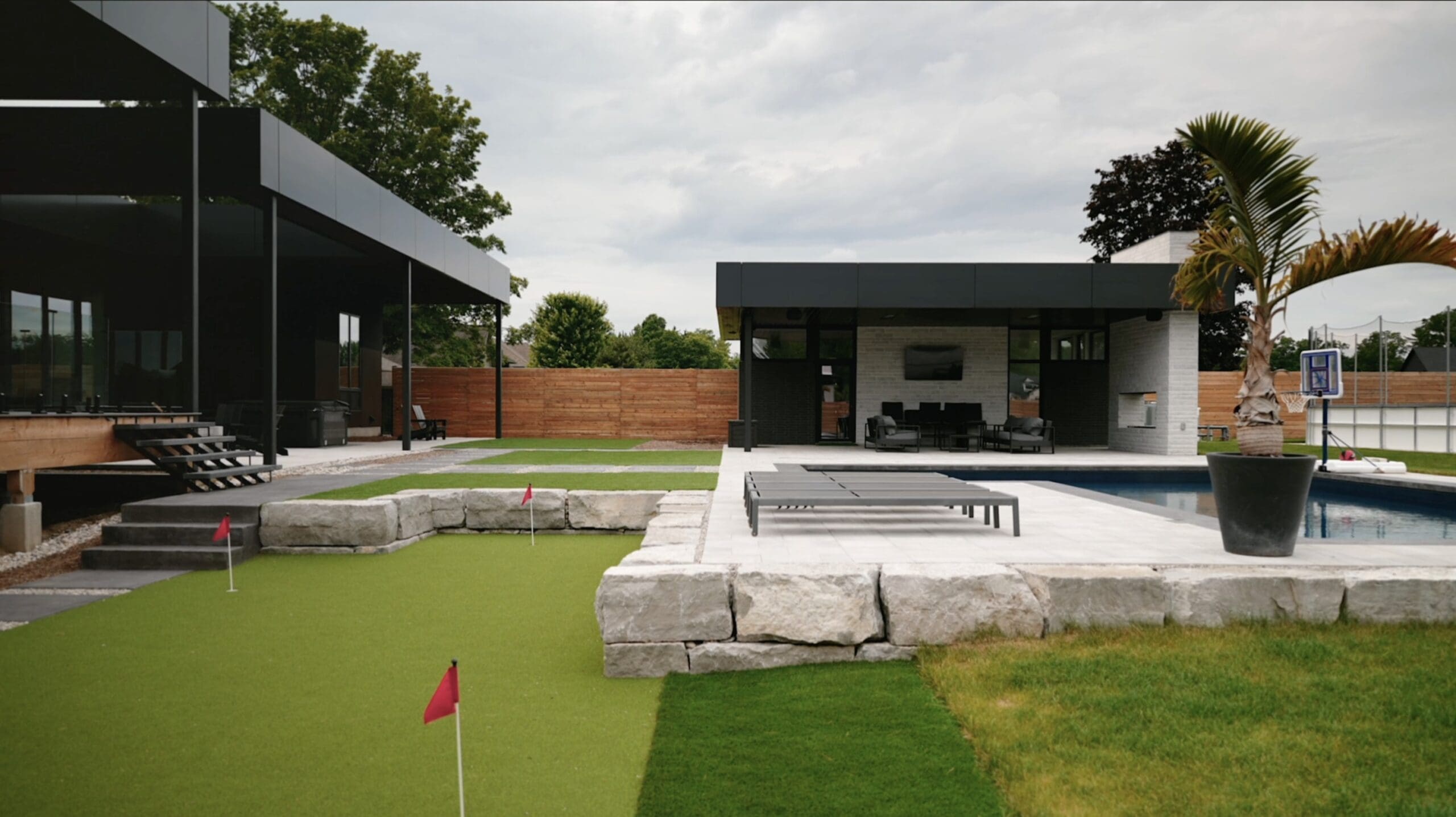
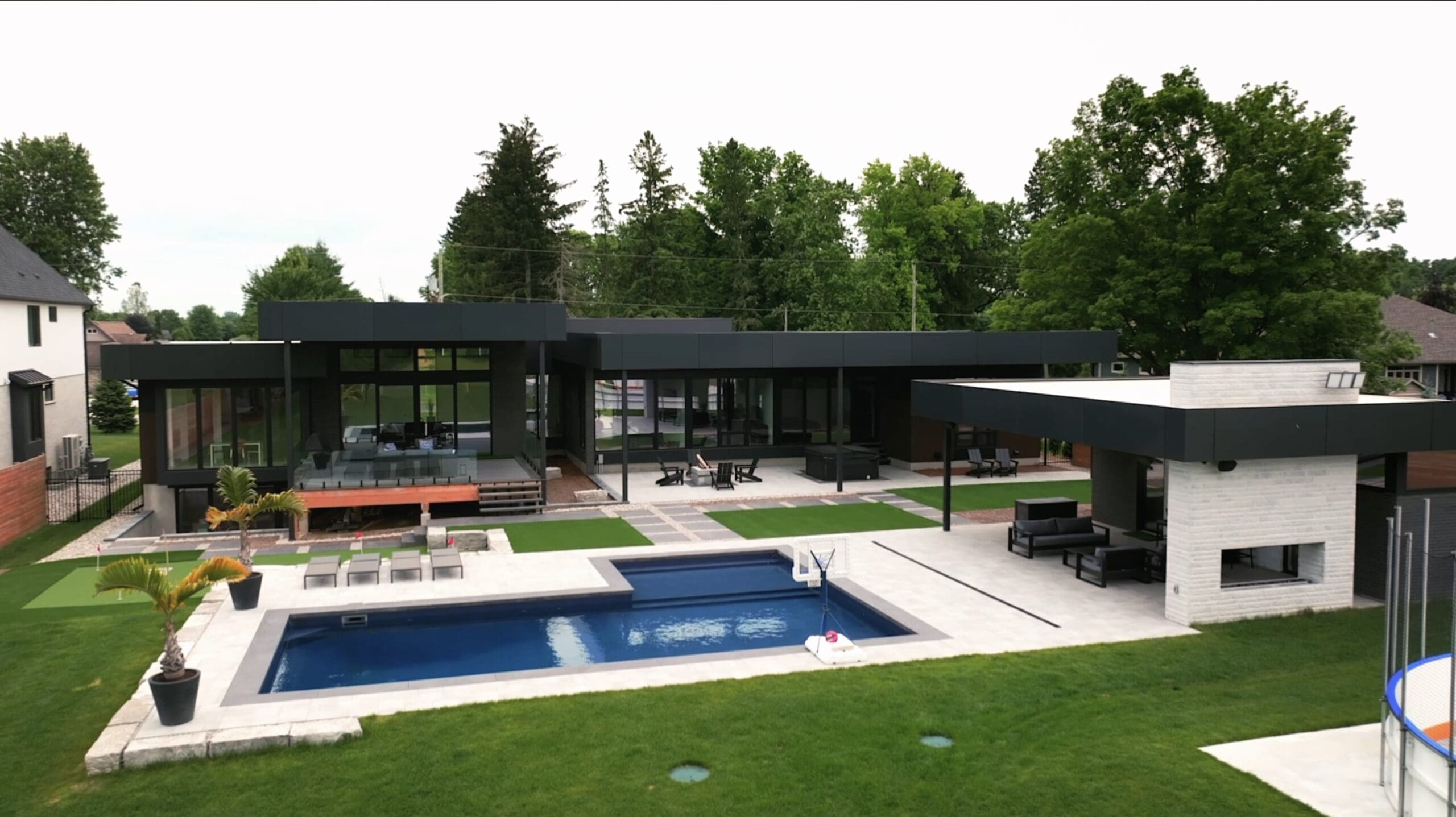
Aluminum Composite Panels have become the gold standard for contemporary urban architecture. Because they can be fabricated into complex shapes, including curves and precise geometric folds, they are the primary choice for:
- Commercial High-Rises: Where wind load resistance and seismic performance are paramount.
- Modern Custom Homes: For owners seeking a minimalist or high-tech aesthetic that emphasizes precision.
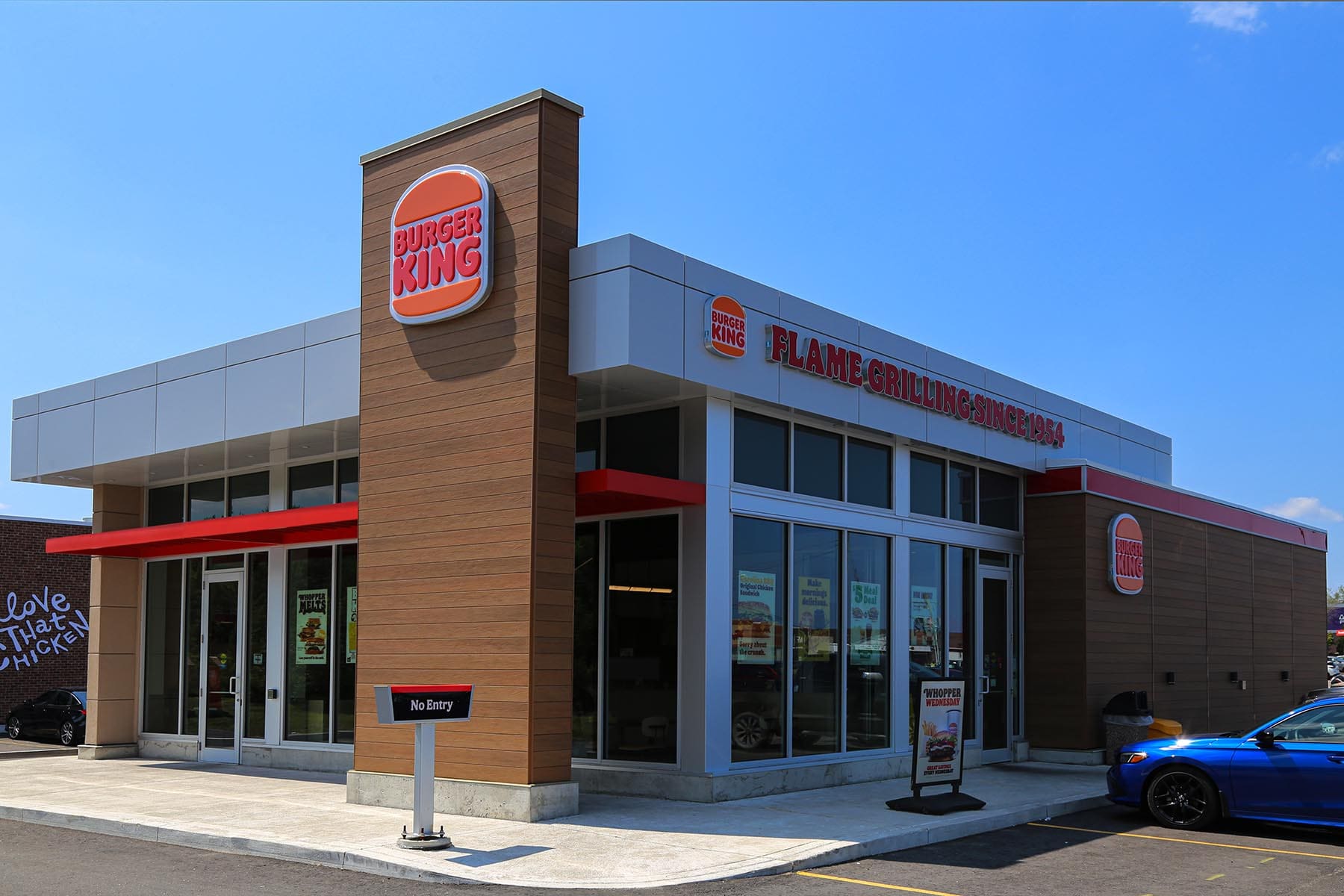
- Corporate Identity & Branding: The ability to achieve consistent, vibrant colors ensures a uniform professional image across multiple facility locations.
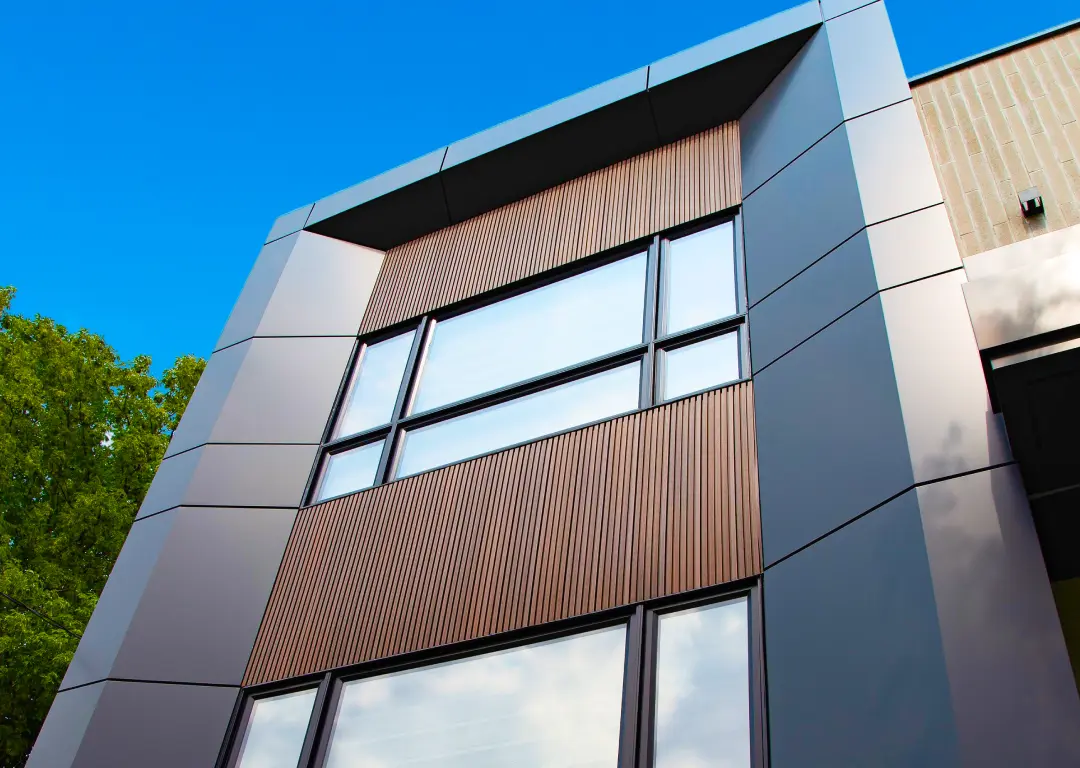
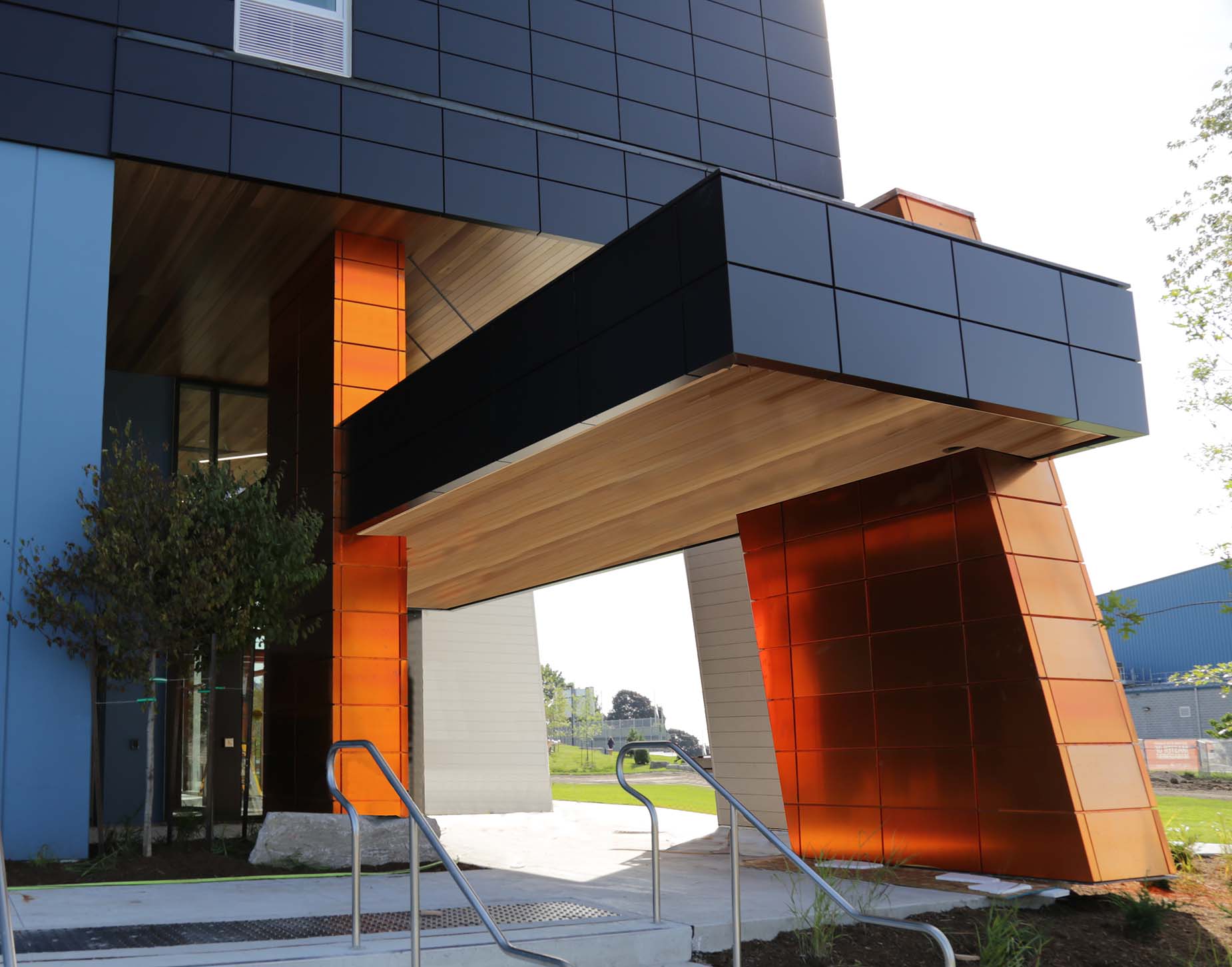
Image: Commercial ACM cladding project executed by the NORTEM team.
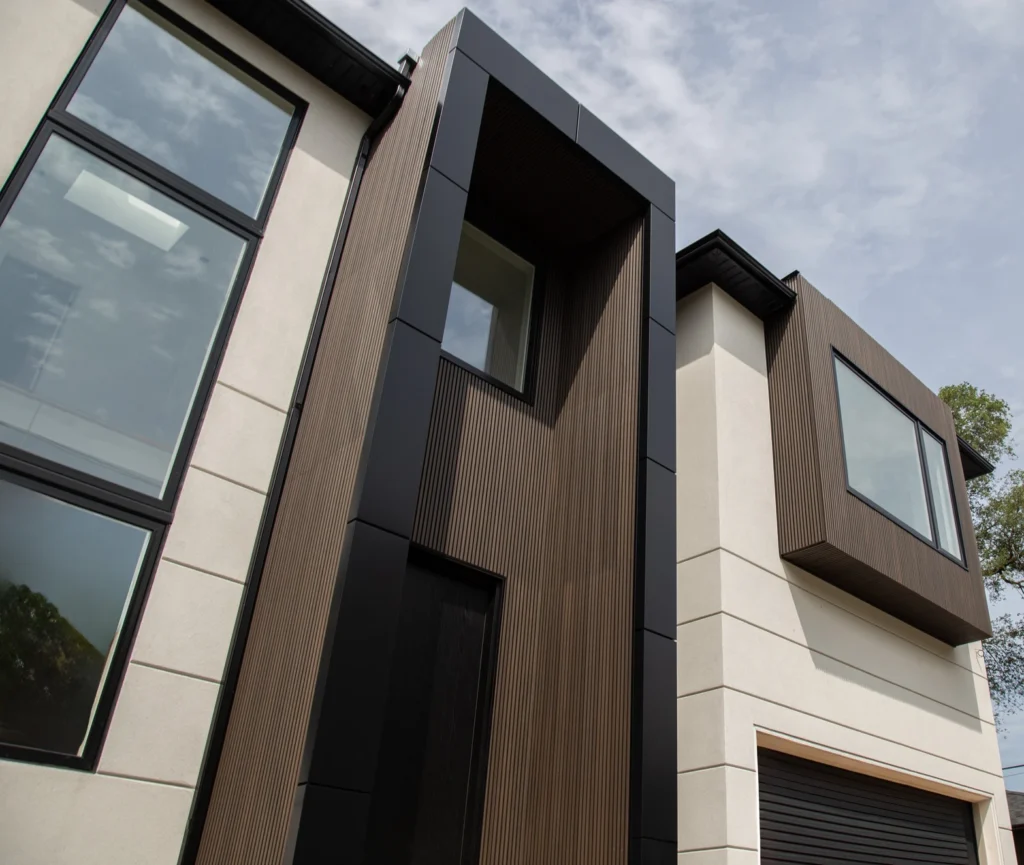
Applications for Wood Composite Panels: Biophilic Texture
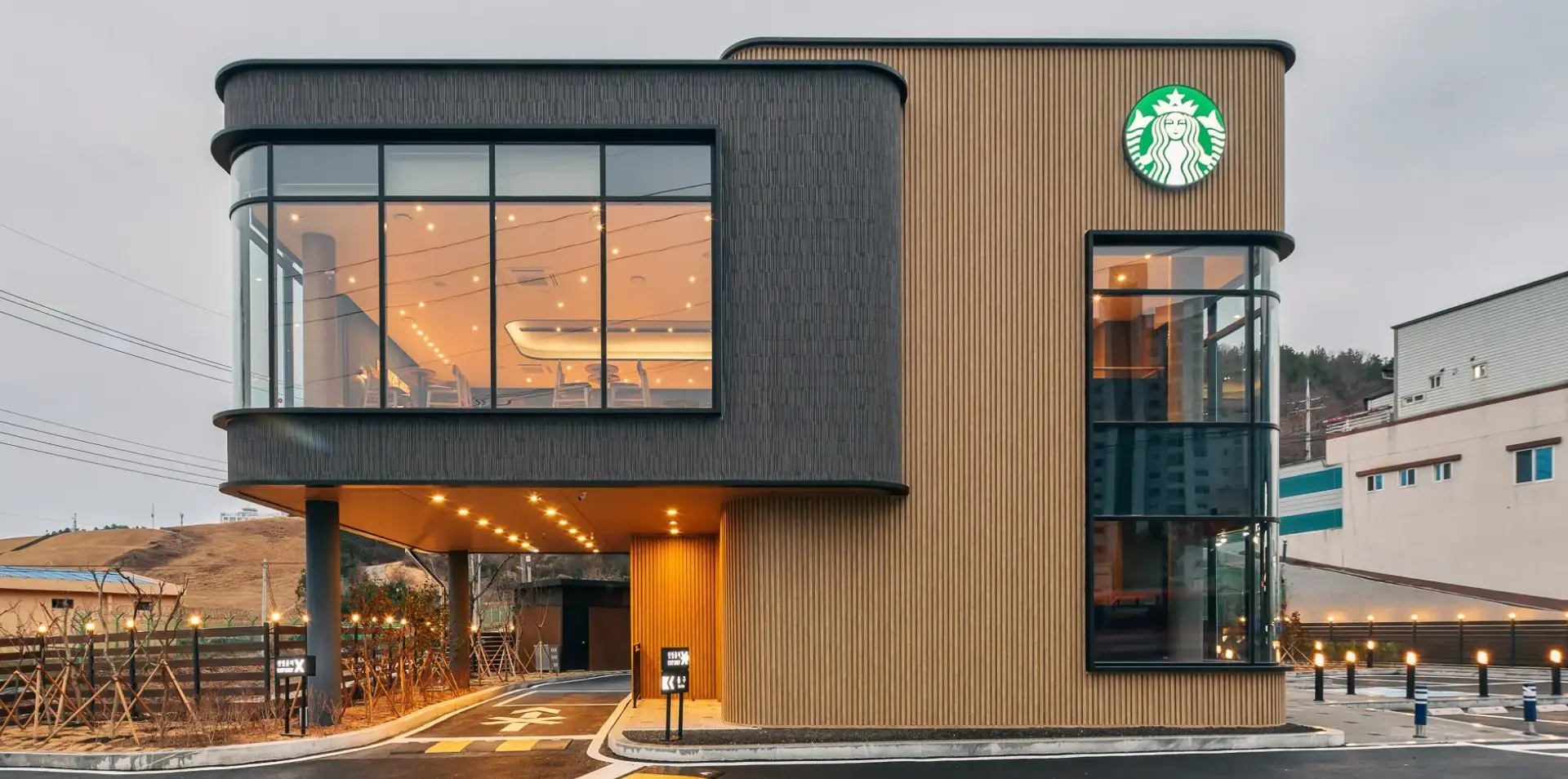
The Nortwood Fluted Panel brings a “human element” to architecture through biophilic design. It is utilized in areas where the tactile and visual “feel” of the building is as critical as its protection.
- Residential Facades: Adding immediate curb appeal and a premium lifestyle feel to Ontario custom homes.
- Strategic Accent Walls: Creating focal points near entryways and balcony interiors where people gather.
- Sustainability-Focused Projects: Wood composites offer the look of exotic hardwoods like Ipe or Teak without the ethical concerns of deforestation, aligning with modern LEED and green building standards.
The Nortem Advantage: From Design to Installation
Selecting a material is only half the journey. At Nortem, we provide a vertically integrated service model that ensures the integrity of your facade from the initial drawing to the final bolt.
Our process in Toronto and the surrounding regions includes:
- Consultative Design: Working with architects to refine details and material transitions.
- Precision Fabrication: Utilizing state-of-the-art CNC technology in our local facilities to ensure every panel meets exact tolerances.
- Professional Installation: Our specialized teams handle the complex mounting and rainscreen systems required for long-term moisture management in the Ontario climate.
At NORTEM®, we bring years of experience and a portfolio of 500+ commercial and residential projects across Toronto and Ontario.
Detailed Comparison Table: At a Glance
|
Feature |
ACM Panels |
Wood Composite |
|---|---|---|
| Primary Material | Aluminum & Mineral/PE Core | Wood Fibers & Polymer Resin |
| Typical Finish | Metallic, Solid, or Matte PVDF | Wood Grain, Fluted, Textured |
| Maintenance | Extremely Low (Wash only) | Low (No staining/sealing needed) |
| Weight | Very Light (~1.0 – 1.5 lb/sqft) | Moderate (~2.5 – 3.5 lb/sqft) |
| Fire Rating | Up to Non-Combustible (A2/FR) | Typically Class B / Residential Grade |
| UV Resistance | Excellent (Fade resistant) | Very High (Engineered for UV) |
| Best Use Case | Commercial/Large Scale/Modern | Residential/Accents/Biophilic |
The “Harmony” Strategy: Why Combining Both Works Best
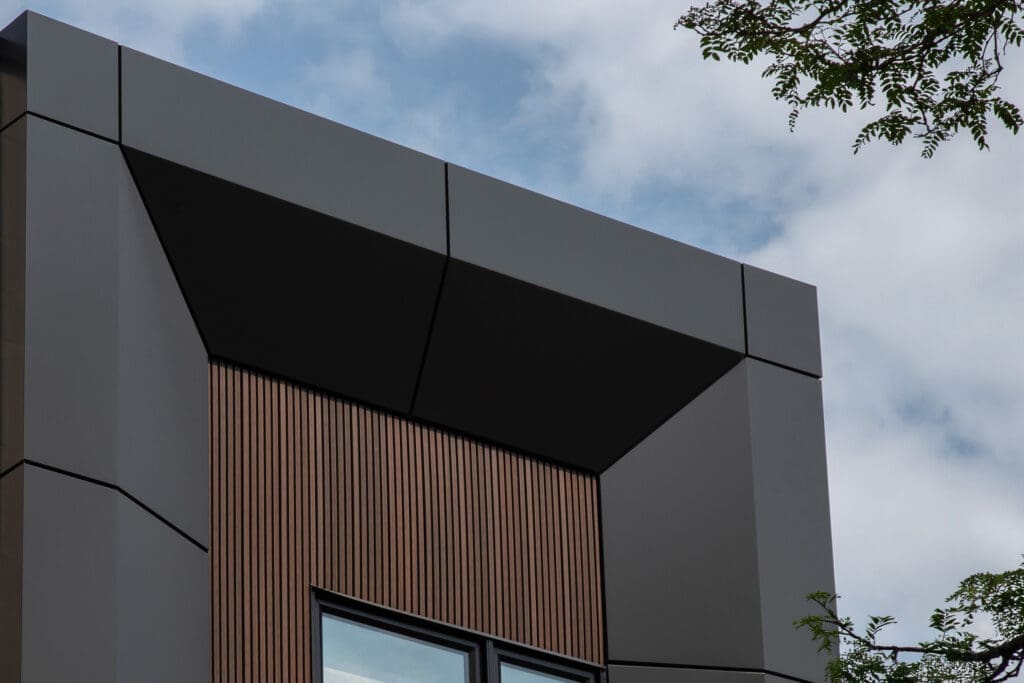
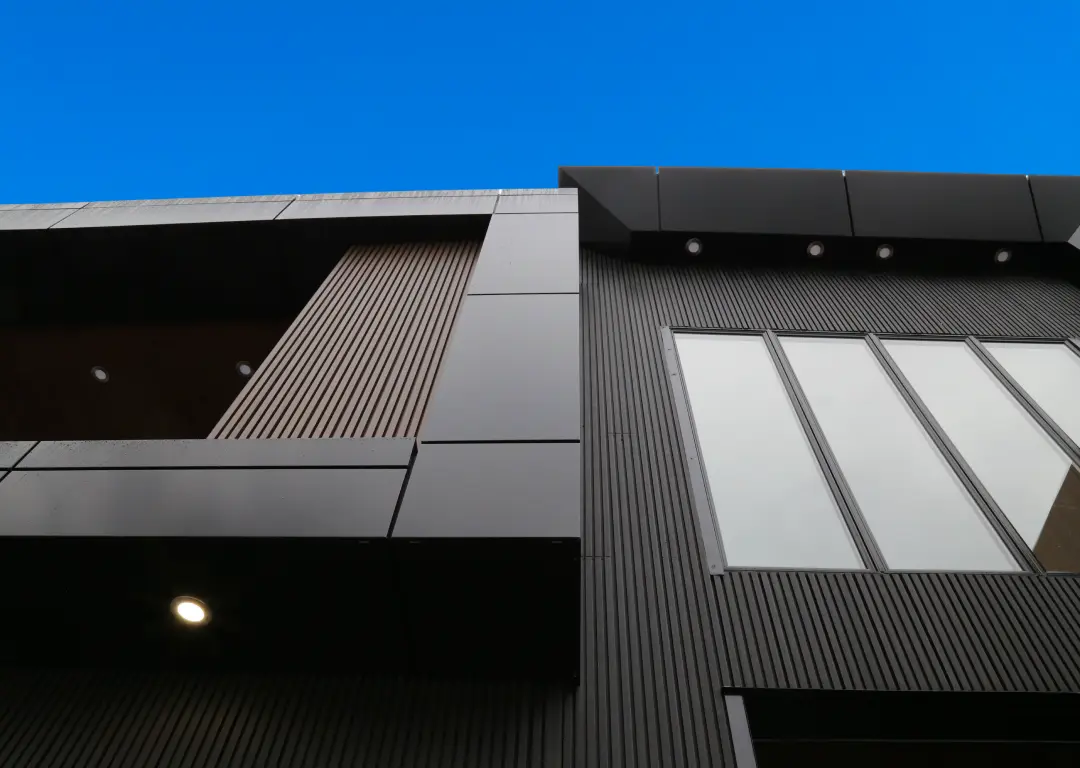
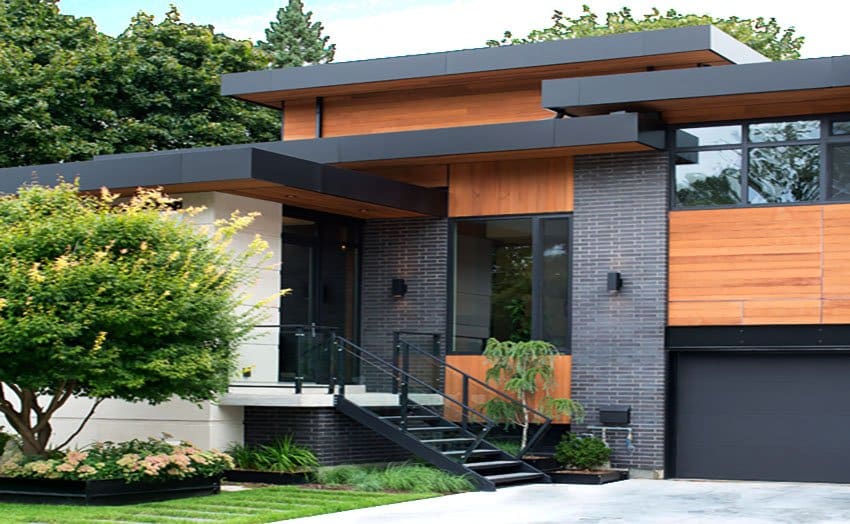
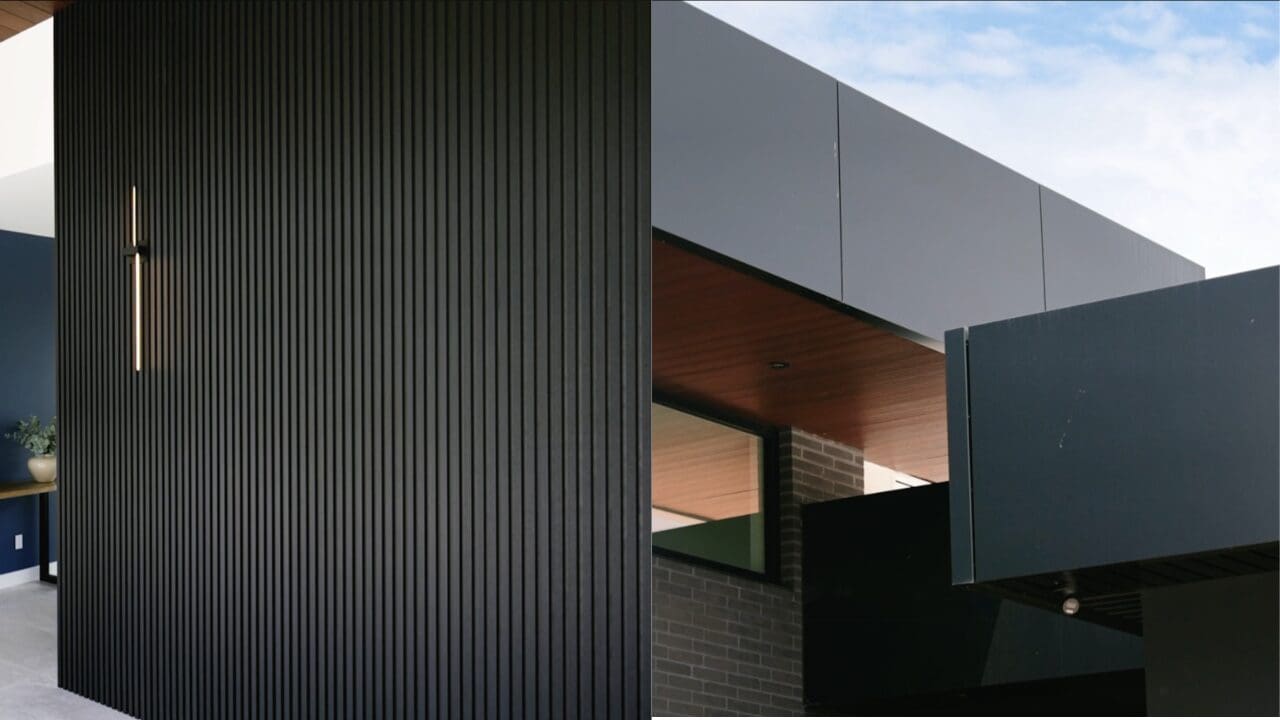
In our experience as consultants, the most successful projects leverage visual contrast to create architectural depth. By pairing the smooth finish of ACM with the rhythmic warmth of Nortwood, you create a balanced facade that satisfies the eye and the budget.
Benefits of a Hybrid Approach:
- Material Hierarchy: Utilize ACM for large, hard-to-reach areas where maintenance is difficult.
- Human-Scale Design: Incorporate Wood Composite at ground level or balcony areas where the texture can be appreciated by residents.
- Value Engineering: Strategic use of Nortwood as an accent can make an ACM-dominant project look significantly more custom-designed.
Conclusion: Investing in Your Building’s Future
Choosing between ACM and Wood Composite does not need to be a compromise. While ACM offers unmatched longevity and a sleek profile, Wood Composite provides the timeless beauty of timber without the traditional maintenance burdens.
To achieve the best results for your next project in Toronto or anywhere in Canada, consider a hybrid design that utilizes the strengths of both systems. We provides the high-quality cladding solutions, local fabrication, and expert installation needed to bring your vision to life.
Ready to elevate your facade? Explore our project portfolio for inspiration or contact our engineering team today for a comprehensive consultation.